

The Sloan Indigenous Graduate Partnership (SIGP) Scholarship Program
The Montana University System (MUS) SIGP Program
 The Sloan Indigenous Graduate Partnership (SIGP) is a consortium of higher education
institutions that seek to transform graduate STEM education in ways that: 1) support
the inclusion of Indigenous perspectives, knowledge, values, and experiences in scientific
research, teaching, and community engagement; 2) allow scholars to address issues
relevant to Indigenous communities; 3) encourage and prepare talented students who
have such interests and expertise to pursue STEM graduate education and careers; and
4) foster strong community engagement on and across individual SIGP campuses. University
of Montana (UM) and Montana State University (MSU) partner on this Sloan grant.
The Sloan Indigenous Graduate Partnership (SIGP) is a consortium of higher education
institutions that seek to transform graduate STEM education in ways that: 1) support
the inclusion of Indigenous perspectives, knowledge, values, and experiences in scientific
research, teaching, and community engagement; 2) allow scholars to address issues
relevant to Indigenous communities; 3) encourage and prepare talented students who
have such interests and expertise to pursue STEM graduate education and careers; and
4) foster strong community engagement on and across individual SIGP campuses. University
of Montana (UM) and Montana State University (MSU) partner on this Sloan grant.
The SIGP Program at Montana State
 The overall goal of the SIGP program is to integrate Indigenous perspectives, knowledge
systems, values, and lived experiences into scientific research, teaching, and community
engagement and inspire and prepare students with these interests and strengths to
pursue graduate education and careers in STEM.
The overall goal of the SIGP program is to integrate Indigenous perspectives, knowledge
systems, values, and lived experiences into scientific research, teaching, and community
engagement and inspire and prepare students with these interests and strengths to
pursue graduate education and careers in STEM.
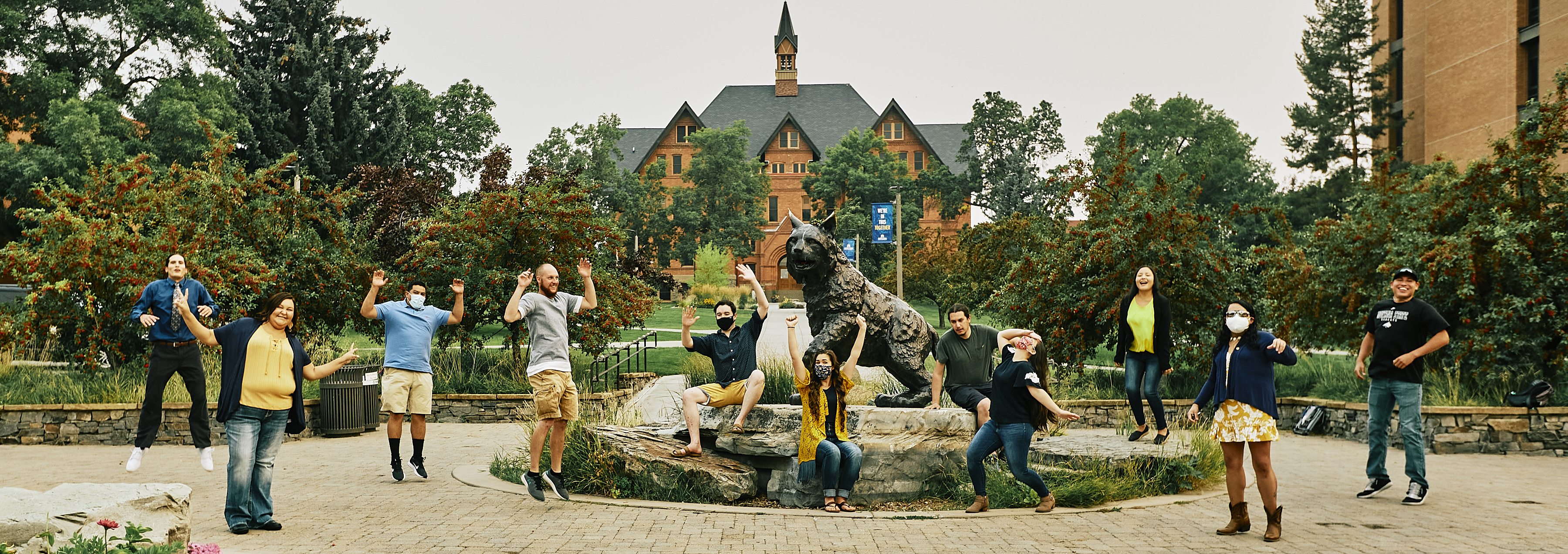
At MSU, the SIGP program has attracted an extraordinary group of graduate students who are pursuing degrees in the natural and physical sciences and engineering. Among our students, research has ranged from water quality, chemical contamination, data mining, invasive plants, buffalo, rural healthcare, food preservation to other areas close to the heart of Indigenous peoples.
If these goals interest you, we would very much like to talk with you. We believe you will see that the SIGP program can offer you a unique opportunity to earn your graduate degree. Not only will you be given the opportunity for financial support, you will also have access to top faculty here on campus and the chance to connect with others that are integrating Indigenous perspectives into their graduate degrees. We look forward to hearing from you!
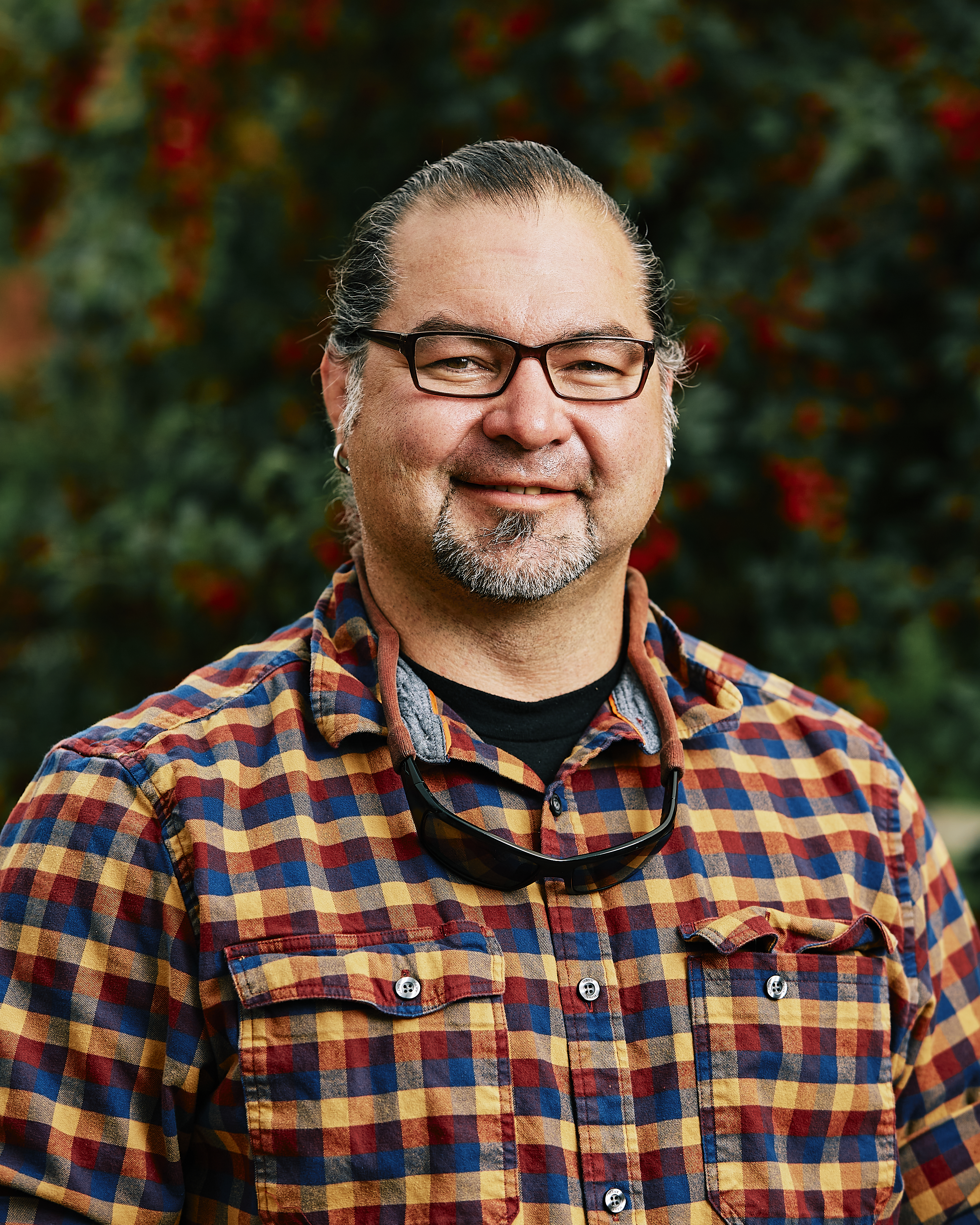
Sweeney Windchief Ed.D. (Assiniboine)
Professor – Dept. of Education; MSU SIGP PI
Program Benefits
The Alfred P. Sloan Foundation provides scholarships that supplement the assistantships or fellowships received by Sloan Scholars from their respective programs. M.S. scholarships award $22,000 over two years, while PhD scholarships award $44,000 over four years. In addition, students become part of a community of SIGP scholars and mentors at their home institution, as well as the national SIGP program and the broader Sloan Scholars Network. Through these offerings, scholars have access to mentorship beyond their research programs, opportunities for professional development, paid conference travel, an invitation to a bi-annual SIGP symposium, and a robust alum network upon graduation.
Citizenship and Residency Requirements
Applications will be reviewed for all U.S. citizens and permanent residents admitted to a residential master's or PhD program at a SIGP graduate university (Purdue University, State University of New York College of Environmental Science and Forestry, Montana State University, University of Arizona, University of Kansas, University of Montana). Individuals recognized under the Jay Treaty of 1794 are also eligible.
Academic Program Eligibility
The following sections describe eligible degree programs and fields of study. Students must be pursuing an M.S. or Ph.D. in an eligible program to qualify for SIGP scholarships.
Core STEM Fields
Programs leading to an M.S. or Ph.D. in the following broad field categories are eligible:
- Agricultural sciences
- Computer and information sciences
- Economics, including Agricultural Economics
- Engineering
- Life sciences
- Mathematics and statistics
- Natural resources and environmental sciences
- Physical sciences
- Technology
Non-Traditional STEM Programs Focused on Traditional Ecological Knowledge
We recognize that rigorous programs focused on traditional ecological knowledge are often housed in departments not traditionally classified as STEM—such as geography, Indigenous studies, or environmental studies—not because they lack scientific content, but because of how universities have historically organized themselves. A student in an Indigenous studies program doing community-based research on traditional fire management practices on tribal lands, for example, may receive training more relevant to Indigenous community priorities than a conventional program in a STEM department.
To better serve the interests of both students and the Indigenous communities whose concerns shape this work, students in programs not traditionally classified as STEM may be eligible if their program has an established focus on traditional ecological knowledge and includes:
- Coursework in relevant STEM fields (such as ecology, biology, environmental science, or natural resources)
- STEM faculty participation on the student's thesis or dissertation committee
- Research methods that include ecological, biological, or environmental science components
Interdisciplinary Research Approaches
Research serving Indigenous communities often requires crossing conventional disciplinary boundaries. Programs combining STEM fields (such as the physical sciences, biology, ecology, environmental science, or natural resources) with social science methods (such as interviews with knowledge holders, community-based participatory research, or ethnographic approaches) are eligible when STEM components remain central to the student's training and research.
STEM Education Research
Students in STEM departments or colleges who study STEM education as a research focus (e.g., Engineering Education programs housed in engineering colleges) are eligible.
Categorically Ineligible Fields
The following fields are ineligible regardless of degree type or research focus:
- Architecture
- Business
- Counseling
- Dentistry
- Law
- Medicine
- Psychology/psychological sciences
- Social work
- Programs housed in colleges or schools of education
Ineligible Degree Types
Professional graduate degrees designed primarily to prepare students for licensure, certification, or direct clinical/professional practice are ineligible across any field. These include, but are not limited to:
- JD, MD, DO, DDS, DVM, PharmD, PsyD
- MSW, MBA, MArch, MLA, MPH
Clinical master's degrees in nursing, counseling, physical therapy, and similar fields
Applying to SIGP
Application Deadlines: April 15th for Fall and October 15th for Spring
Current or admitted graduate students can apply to the Sloan Program. Applications are reviewed by representatives across UM and MSU, since the number of SIGP awards is shared by these three universities.
Meet the MSU Sloan Scholars
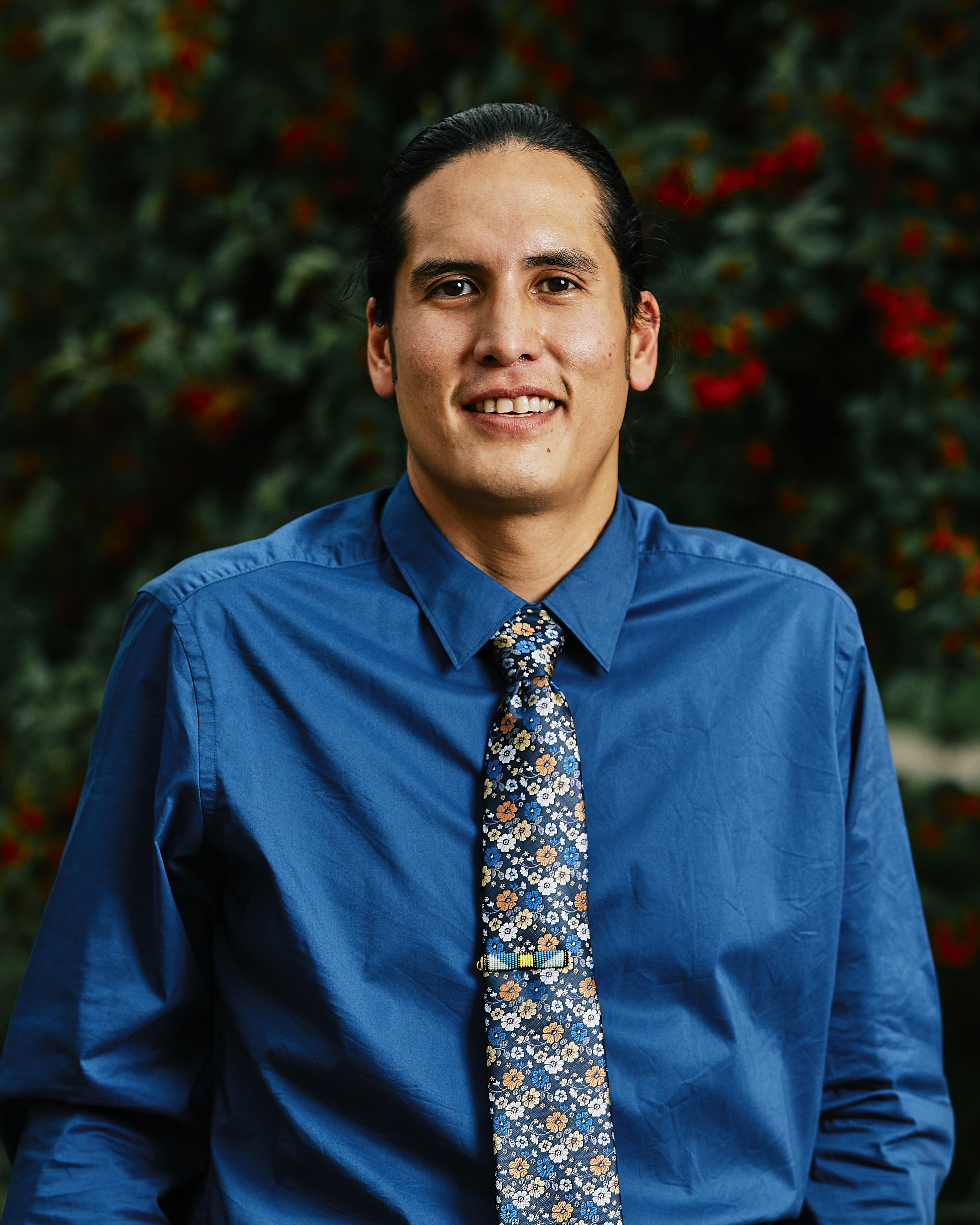
James Vallie
James' research focuses on Native food preservation techniques in evaluating the sustainability, safety, and sensory aspects of such a unique process.

Steven Davis
Steven’s professional work and research focuses on indigenizing engineering education and broadening access to higher education for indigenous students. Current research translation efforts are aiming to bridge the gap between traditional, Indigenous ways of knowing and contemporary, Western sciences – i.e. fluid mechanics, heat transfer, mass transfer principles inherent in the design and building of lodges and/or tipis.

Eric Pritchard
Bio coming soon

Zena Robert
Bio coming soon
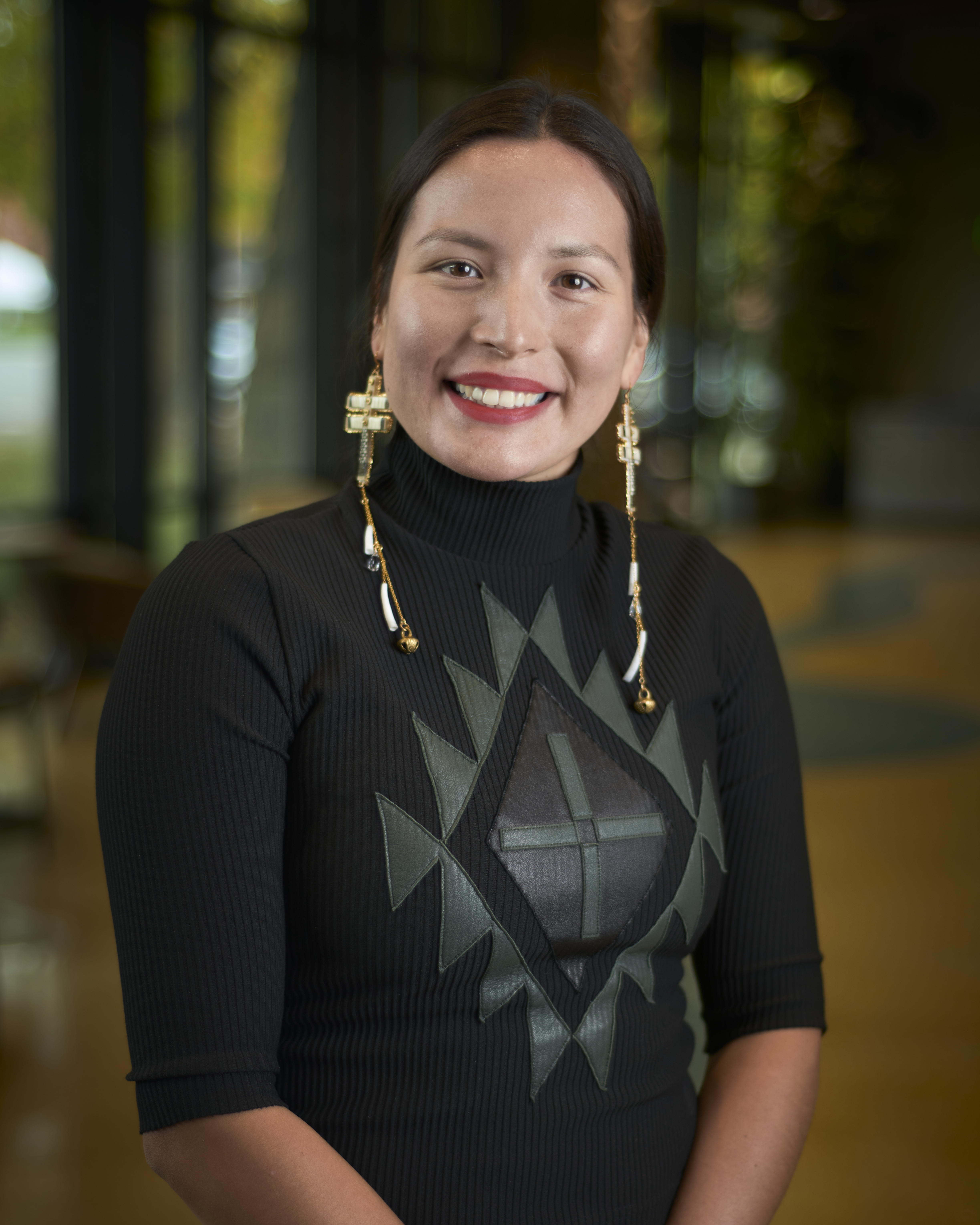
Madisan Chavez
Madisan's research investigates water quality at Chief Plenty Coup Springs near Pryor Montana: A fifty-year legacy of wastewater management and cultural significance.

Malia Naumchik
Malia's research focuses on looking at the impacts of BLM and Forest Service restoration projects on plant and pollinator communities and their interactions.
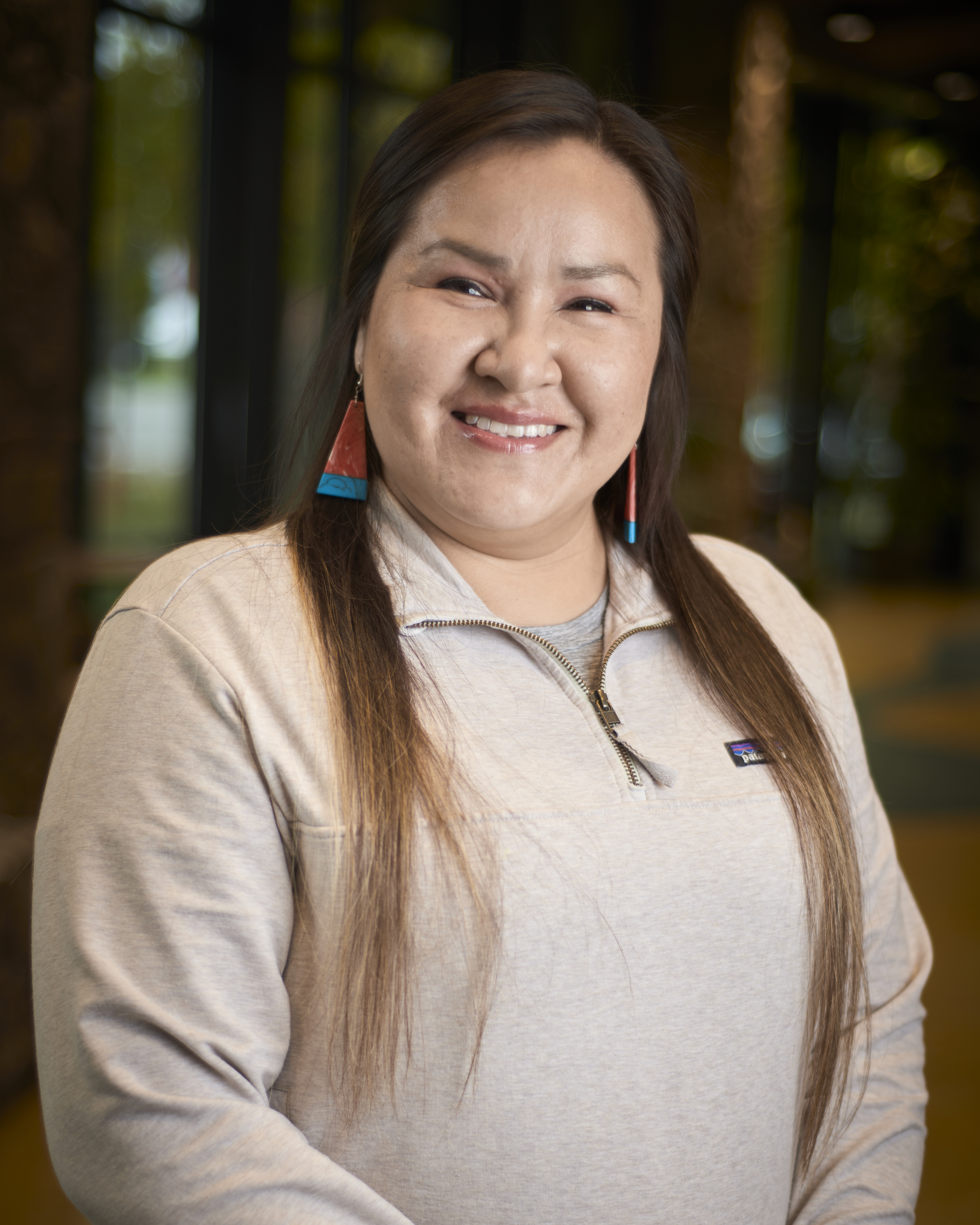
Miranda Rowland
Bio coming soon
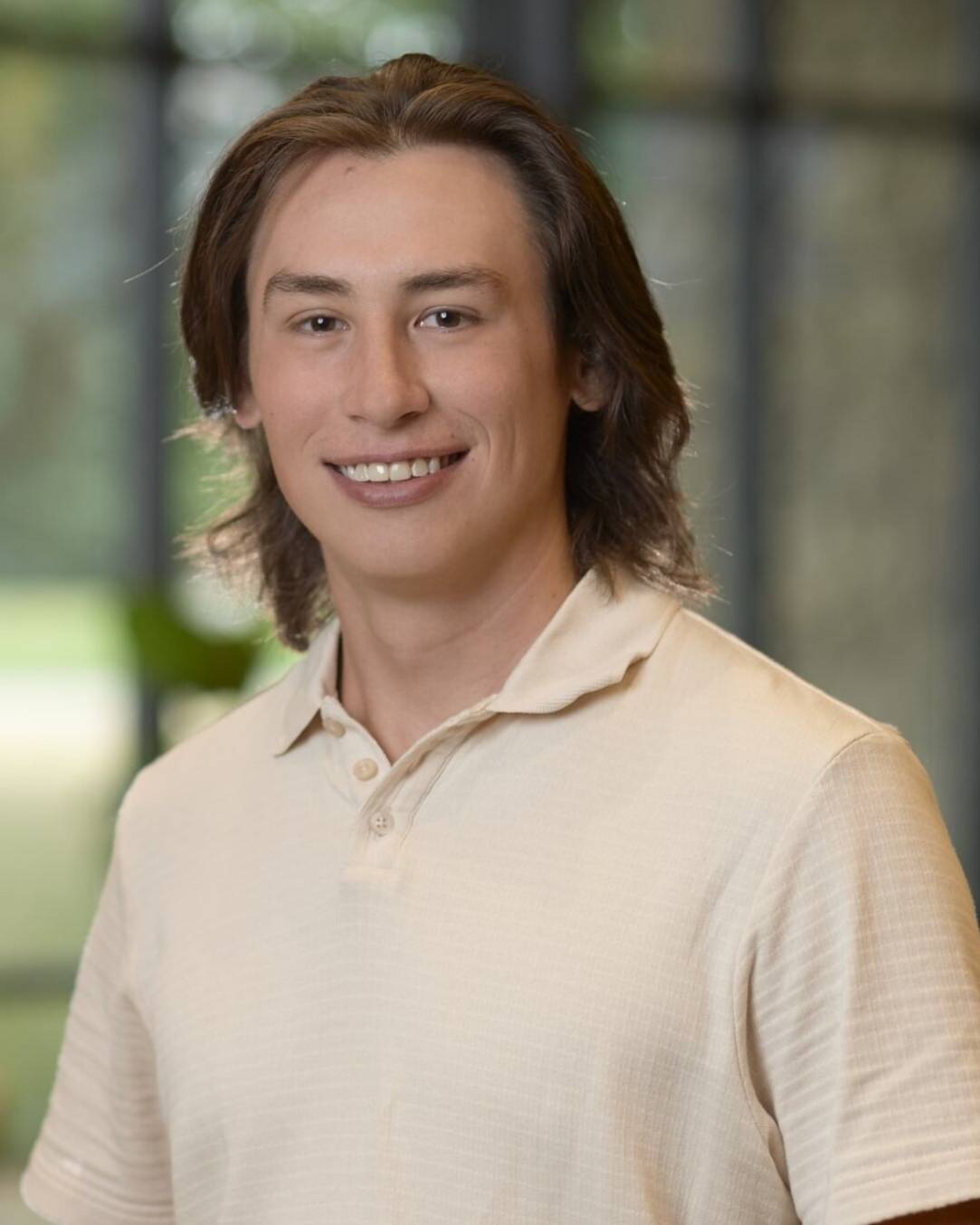
Russell Conti
I grew up in Rapid City, South Dakota, and am a member of the Oglala Lakota Sioux Tribe. I attended Montana State University for my undergraduate degree, where I studied in the Land Resources and Environmental Science Department. I am now working in the Ecology Department, where my research focuses on understanding the spatial-temporal influences of urban-derived nutrients inside streams within a quickly developing Mountain West Community.
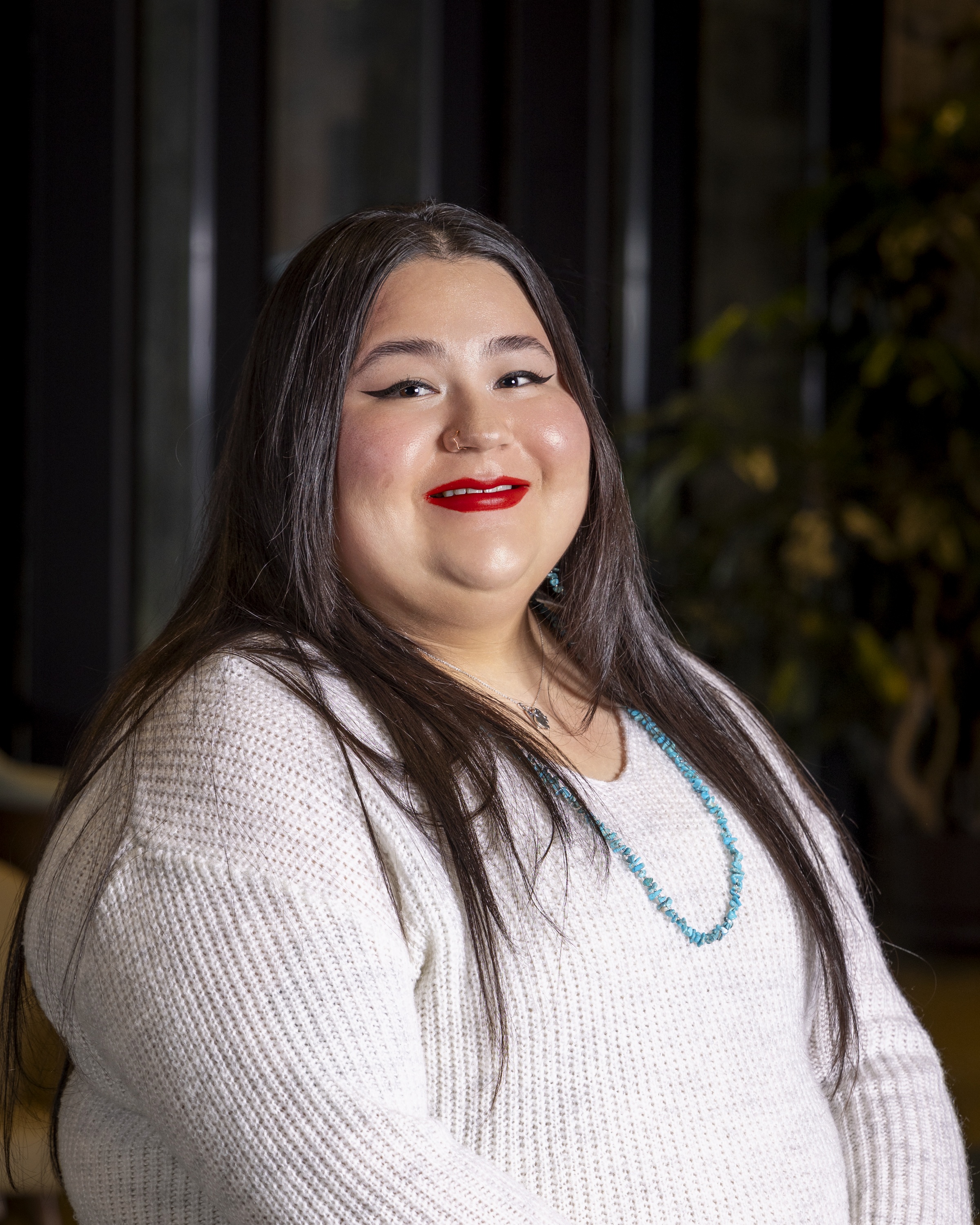
Sadie Posey
Sadie’s research is focused on the characterization and identification of Indigenous plants, berries, and medicines. Focusing on the characterization of chemical composition and pigment analysis for the application to cosmetic and skincare products. Sadie also participates in research on characterizing battery electrolyte systems for dual-ion hybrid capacitors.

Bree Eastman
Bree’s research focuses on the return of the buffalo to their historical and traditional lands for cultural, ecological, and economic benefits. While in her graduate program, Bree will be assisting in writing a Buffalo Caretaker Certificate for the Blackfeet Community College. Alongside this project, Bree will be researching the physiological changes of buffalo per season and how these changes affect meat quality and nutritional value in alignment to the traditional Indigenous seasonal round hunting and harvesting calendar.

Liv Wheeler
Liv's research combines geochemical analysis with geologic mapping techniques to better understand Yellowstone's most recent caldera-forming eruptions. Recent research has revealed geochemical discrepancies in the Lava Creek Tuff and the Mt Jackson Rhyolites, specifically near Madison Junction. Analyzing these flows can deepen our understanding of the Yellowstone Caldera's formation and contribute to predicting future eruptions.

Tristan Running Crane
Tristan's research is focused on advancing the cybersecurity of edge computers used in the nation's power grid. Specifically looking at hardware solutions to defeat side-channel attacks.
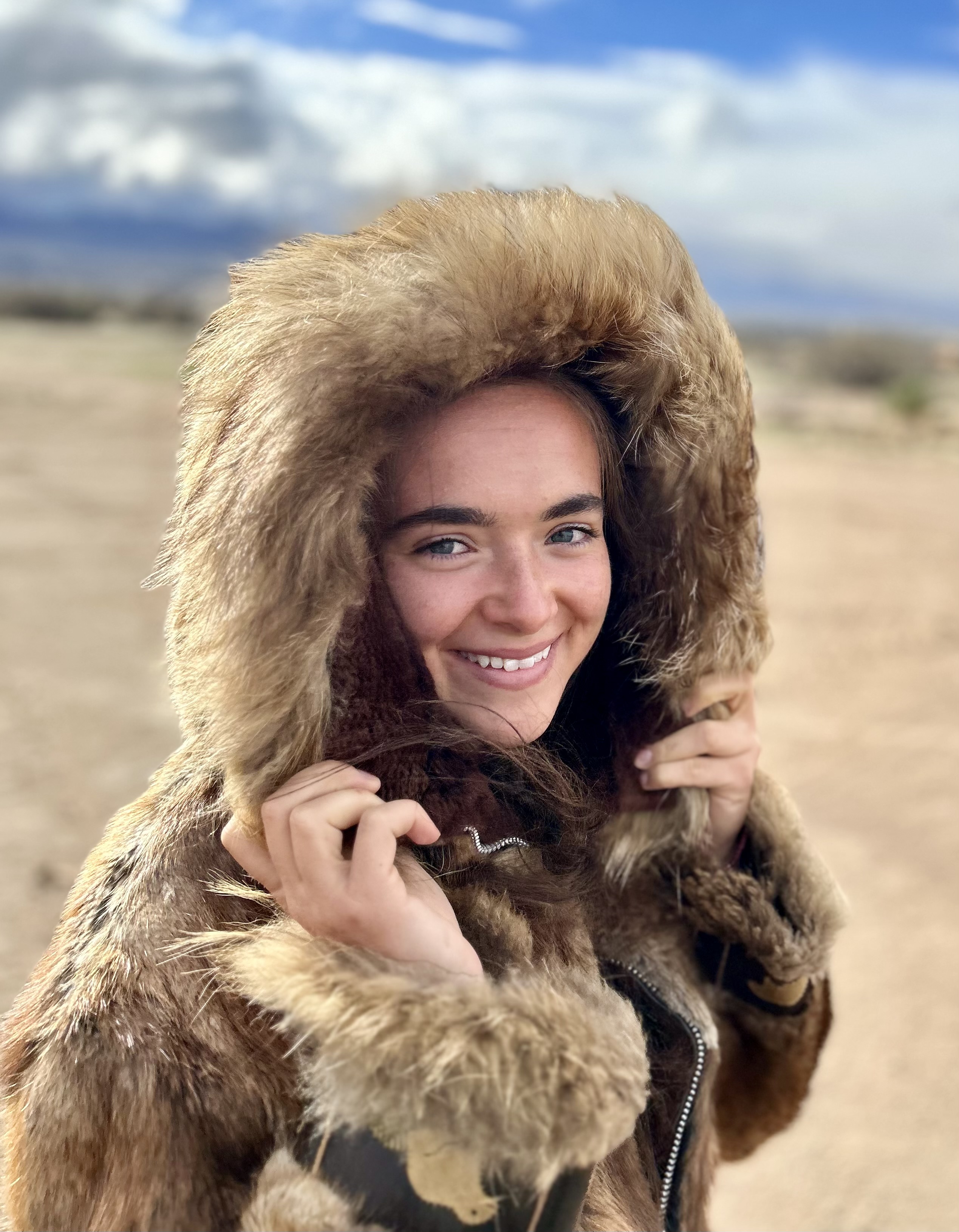
Selah Kone
The focus of my research is on translating Indigenous food systems theory and traditional ecological practices into lived, community-centered action, demonstrating how theoretical understandings of Indigenous wellbeing and ecological reciprocity are actively embodied and continually renewed within my community’s lived food systems.

Michael Desrosier
My research is focused on how Indigenous cultures create healthy ecosystems, and those ecosystems in turn can create healthy people. Much of my entry into this holistic, reciprocal loop is through Iinnii (bison).
Click here for a list of Sloan Alumni
MSU Sloan Scholars & Alumni in the News
- Jason Baldes (Land Resources & Environmental Sciences, M.S., 2016) is featured in the MSU publication, Mountains and Minds, in a story about his ongoing work to restore buffalo to the Wind River Reservation in Wyoming.
- Audrey Harvey (Land Resources & Environmental Sciences, M.S. 2019) is mentioned in the MSU publication, Mountains and Minds, in a story focused on MSU’s efforts to create a home away from home for Native students. See a recent article about Audrey's life-long focus on land conservation in NAU News where Audrey is pursuing a PhD.
- Anita Moore-Nall (Earth Sciences, Ph.D., 2017) is featured in the MSU College of Letters and Sciences publication, Confluence.
Contact Information
Please contact the Graduate School, gradschool@montana.edu for more information.
Visit the Sloan Foundation SIGP webpage or find us on Facebook.